Pumpkin Seeds for Roasting: Moisture, Impurity & Grade Guide
Pumpkin Seeds for Roasting: Moisture, Impurity & Grade Guide
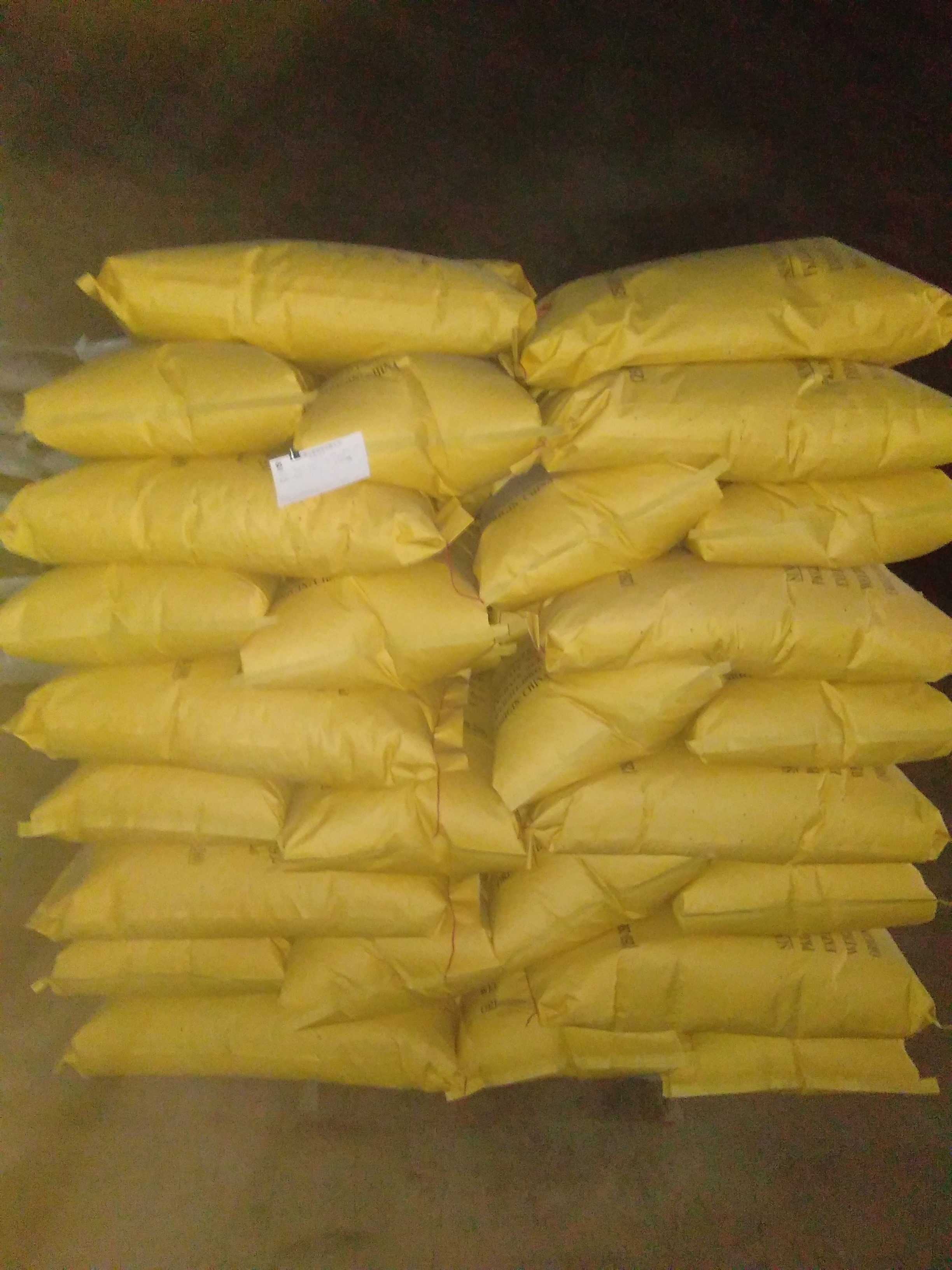
Selecting raw pumpkin seeds for a roasting line is a parameter decision before it is a grade decision. The working specification is moisture 9–10%, impurity below 0.5%, erosion seeds below 0.5% and mildew seeds below 1%. Those four numbers decide roast colour consistency, salt uptake, screen losses and how long the finished pack stays fresh — and they should be agreed before grade A, AA or AAA, before size class, and before the variety name is chosen. This guide explains what each parameter means, how the limits map to Big Size Pumpkin Seeds 15cm+, 11cm+ and Inner Mongolia Origin 10cm+ material, and how Snow White, Shine Skin and Lady Nail behave differently once they reach the roaster.
Why “Export-Grade” Is Not a Specification
A grade label describes appearance and size class. It does not fix moisture, defect counts or mycotoxin exposure. Two quotations can both read “Shine Skin AAA” and still arrive with different moisture and different defect levels, because the grade word answers a visual question while the roasting line asks a physical one.
Four failure patterns repeat on roasting lines when the parameters are left to the label:
- Short shelf life and early rancidity — elevated moisture accelerates oil degradation inside the finished pack.
- Uneven roast colour — erosion seeds and immature seeds darken faster than sound seeds, producing a mixed-looking batch.
- Screen wear and product loss — stones, shell fragments and fines above the impurity limit wear screens and disturb dosing and salting equipment.
- Mold risk and rejection — mildew seeds above the accepted limit create a mycotoxin exposure that roasting does not reliably remove.
The decision rule is simple: fix the four numbers first, then select variety, size class and grade around them. A buyer who reverses that order ends up comparing price on material that was never specified.
The 2024–2026 Supply Picture for Pumpkin Seeds
Variety availability is not the constraint for roasting buyers; specification discipline is. China’s total pumpkin seed production was projected to reach 400,000 tons in 2024, a 40% increase from 280,000 tons in 2023 (Seedea / Pumpkin GWS Market Update). Within that volume, Shine Skin remained the dominant variety at 74% of production — approximately 294,000 tons — while Snow White and Lady Nail each accounted for around 12%, estimated at 46,000 tons and 52,000 tons respectively (Everstar Foods industry report).
Origin concentration matters for continuity planning. Inner Mongolia recorded a pumpkin seed planting area of 28,700 hectares (430,000 mu) in 2024, making it a major cultivation hub for the material that reaches roasting lines in the Middle East, Europe and Central Asia. Demand signals point in the same direction: Lady Nail planting area expanded by roughly 80% to about 500,000 acres in 2025, driven largely by Middle East demand (Cardassilaris Family market insights).
Two structural factors shape how buyers should write specifications now:
- Regulatory pressure on residues. Pesticide residue regulations in the EU and US constrained export volumes for Shine Skin and GWS types in 2025, which makes documentation and defect limits part of the purchasing conversation rather than an afterthought.
- Kernel-driven demand growth. The global pumpkin seed market is expected to grow from USD 1.08 billion in 2025 to USD 2.62 billion by 2032 at a CAGR of 13.4% (Maximize Market Research), with China’s pumpkin seed export value recorded at USD 97.04 million in 2023 (Tridge / UN Comtrade). Higher-purity kernel demand pulls quality expectations upward across the whole chain.
For a roaster, the practical reading is this: material is available across all three main varieties, so the differentiator between suppliers is how tightly they hold moisture, defect counts and grade consistency.
The Four Parameters That Decide Roasting Performance
1. Moisture: the 9–10% buying window
Moisture content of 9–10% is the specified range for raw pumpkin seeds and pumpkin seed kernels. Below the window, kernels become brittle and break during handling and roasting; above it, the material is exposed to mold development in storage and to faster oil degradation after roasting. Moisture is the parameter to verify on the pre-shipment test rather than to estimate visually, because a one-point difference is not visible in a sample bag.
Buyers should also be aware that the figure attached to a finished kernel grade can differ from the raw seed figure. Third-party product data for AAA Grade Shine Skin pumpkin seed kernels lists a minimum purity of 99.95% and a maximum moisture of 8%. Treat that as a kernel benchmark and confirm which number applies to the specific material being quoted; raw pumpkin seeds and kernels supplied by Inner Mongolia Chengtai Food Co.,Ltd are specified at 9–10% moisture.
2. Impurity: below 0.5%
Impurity covers everything that is not seed: stones, soil, shell fragments, plant residue and fines. The specified limit is below 0.5%. For a roasting operation this is not only a food safety figure — it is a maintenance figure. Stone content above the limit damages screens and can damage downstream equipment, while fines affect dosing accuracy and produce visible sediment in salted roasted packs.
3. Erosion seeds: below 0.5%
Erosion seeds are damaged or discoloured seeds that roast at a different rate from sound seeds. Holding them below 0.5% is what allows a roaster to run one colour curve for a whole batch instead of sorting after roasting. For salted roasted pumpkin seeds sold in transparent packaging, this parameter has a direct effect on how the product looks on the shelf.
4. Mildew seeds: below 1%
Mildew seeds are the parameter that carries the highest compliance risk, because mold-damaged seeds sit at the centre of mycotoxin control. The limit is below 1%. For EU-destined material, Commission Regulation (EU) 2023/915 sets the maximum aflatoxin level for pumpkin seeds at 5.0 µg/kg for the sum of B1, B2, G1 and G2. Quality control at the manufacturer level is documented as 100% test, and acceptance can be written as a pre-shipment test or a test on seeds received at destination, so the responsibility boundary is agreed in advance rather than after arrival.
Parameter summary for raw roasting material: moisture 9–10% · impurity below 0.5% · erosion seeds below 0.5% · mildew seeds below 1% · taste sweet and natural · origin Xinjiang and Inner Mongolia · storage in a cool place.
How the Parameters Map to Grades A, AA and AAA
Grade descriptors apply to Shine Skin Pumpkin Seeds kernels, where colour and purity distinguish the classes. All grades share the same base raw specification; the grade word indicates kernel colour and visual class, not a different moisture or defect regime.
| Grade | Colour | Material | Shared raw parameters |
|---|---|---|---|
| Grade A | Green | Shine Skin Pumpkin Seeds kernels | Raw; moisture 9–10%; impurity <0.5%; erosion seeds <0.5%; mildew seeds <1%; sweet and natural taste |
| Grade AA | Green | Shine Skin Pumpkin Seeds kernels | Raw; moisture 9–10%; impurity <0.5%; erosion seeds <0.5%; mildew seeds <1%; sweet and natural taste |
| Grade AAA | Dark green | Shine Skin Pumpkin Seeds kernels | Raw; moisture 9–10%; impurity <0.5%; erosion seeds <0.5%; mildew seeds <1%; sweet and natural taste |
Colour expectations differ by material, and buyers should state them in the purchase order. In-shell material (Snow White, Shine Skin, Lady Nail) is specified as white. Kernel material is specified as green, with the darkest tone attached to Grade AAA. Where a buyer needs a Non-GMO Pumpkin Seeds declaration, that is a document to request alongside the technical sheet rather than a claim to infer from grade or colour.
Snow White, Shine Skin and Lady Nail at the Roaster
The three main varieties are not interchangeable on a roasting line, even when they share the same moisture and defect limits. Size class, shape and skin behaviour change how the seed takes salt and how it presents in the pack.

| Variety | Size class | Colour | Characteristics | Typical roasting fit |
|---|---|---|---|---|
| Snow White Pumpkin Seeds | Big Size Pumpkin Seeds 15cm+ category; 15cm+, 13cm+ and 11cm+ available | White | Largest size class; hard skin; salt-oriented taste profile | Salted roasted pumpkin seeds where size and visual impact lead the purchase |
| Shine Skin Pumpkin Seeds | Big Size Pumpkin Seeds 11cm+ category | White (slightly yellow tone noted on the seed) | Preferred taste profile; strong kernel quality; available in multiple kernel grades; strong Middle East demand | Roasted in-shell programmes and green kernel sourcing from one variety |
| Lady Nail Pumpkin Seeds | Inner Mongolia Origin Pumpkin Seeds 10cm+ category | White | Long seed shape; good taste profile; attractive appearance in pack | Retail packs where seed length and appearance drive shelf presentation |
Stated simply: if the largest seed and a white colour are the priority, Snow White is the match. If taste and access to kernel grades from the same variety matter more, Shine Skin is the match. If the pack has to look long and uniform on the shelf, Lady Nail is the match. All three are supplied by Inner Mongolia Chengtai Food Co.,Ltd as raw material at moisture 9–10%, impurity below 0.5%, erosion seeds below 0.5% and mildew seeds below 1%.
Step-by-Step: Building a Roasting-Grade Specification
- Define the end product first. Salted roasted in-shell pumpkin seeds, plain roasting, or kernel-based snacks each pull toward a different variety and size class. Snow White suits salted roasting where size is the selling point; Shine Skin suits taste-led programmes; Lady Nail suits appearance-led retail packs; green kernels at Grade A, AA or AAA serve kernel applications.
- Write the four parameters into the inquiry. Moisture 9–10%, impurity below 0.5%, erosion seeds below 0.5%, mildew seeds below 1%. Add the third-party aflatoxin ceiling of 5.0 µg/kg (sum of B1, B2, G1 and G2) for EU-destined shipments.
- Fix the size class and grade. Choose between Big Size Pumpkin Seeds 15cm+, the 11cm+ class and the Inner Mongolia Origin 10cm+ class, then state the kernel grade if kernels are required: A, AA or AAA, with the colour expectation (green for A and AA, dark green for AAA).
- Agree the acceptance test before shipping. Acceptance can be defined as a pre-shipment test or as a test on seeds received at destination. Deciding this at the inquiry stage removes the most common source of dispute.
- Confirm packaging and branding. Raw material is packed in 20/25 kg plastic or paper bags; kernels can also be supplied in vacuum bags with carton. For private-label buyers, the manufacturer provides OEM and ODM production services, and the bag packaging can be printed with the customer’s logo.
- Lock the commercial and storage plan. Minimum order quantity is 5 mts, delivery terms are FOB, CNF or CIF, and payment terms are 30/70 or 100%. Monthly capacity is 2,500 mts with a lead time of 10–15 days. Store incoming material in a cool place to protect the moisture window that was specified at purchase.
Storage and Handling After Delivery
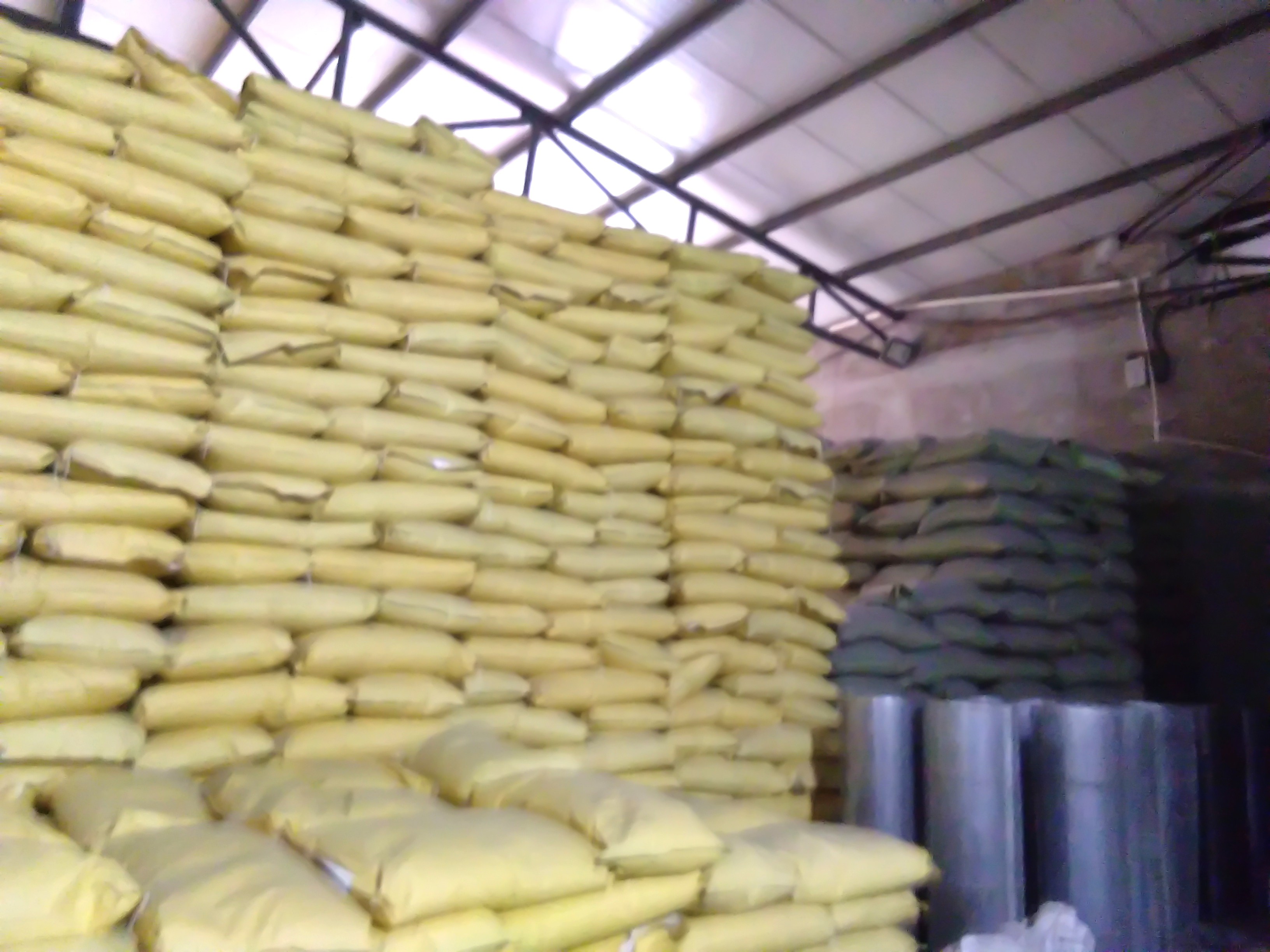
Storage instruction for the material is a cool place. That instruction is part of the specification, not a courtesy note. A batch delivered at 9–10% moisture can still drift out of range in a warm or humid warehouse, which raises mildew risk and shortens the usable roasting window. Buyers handling large volumes should plan warehouse rotation around delivery date rather than around available space.
Use Cases: Which Buyer Needs Which Specification
Roasted shops and snack producers. These buyers roast in small or medium batches and need colour consistency above all. The controlling parameters are erosion seeds below 0.5% and moisture inside 9–10%, with Snow White or Shine Skin in-shell material for salted roasting lines.
Snack manufacturers and food wholesalers. Volume buyers need repeatable quality across shipments rather than a single good lot. Inner Mongolia Chengtai Food Co.,Ltd serves food processors, snack manufacturers, food wholesalers, and importers and distributors, with recorded applications covering wholesale and roasted use; supply relationships over a two-year span with a cumulative volume of 30,000 mts have delivered stable supply, consistent product quality and satisfied bulk order delivery.
Importers and distributors. These buyers carry the compliance and branding burden. Export markets served by the manufacturer are the EU, Middle East, Middle Asia, Vietnam and Africa, and 80% of output is exported. Where a distributor needs private-label bags, OEM/ODM production plus logo printing on the bag packaging covers that requirement without changing the raw specification.
Kernel-oriented processors. Buyers working with green kernels select Grade A, AA or AAA according to desired colour, and should still verify the same four raw parameters, since kernel grade and moisture are separate decision points.
Reference Table: Raw Pumpkin Seed Specification
| Parameter | Specified value | Why it matters at the roaster |
|---|---|---|
| Specification | Raw | Roasting parameters are set by the buyer, not pre-set by the supplier |
| Moisture | 9–10% | Controls roast curve, breakage and shelf life |
| Impurity | Below 0.5% | Protects screens, dosing accuracy and pack appearance |
| Erosion seeds | Below 0.5% | Keeps roast colour uniform across the batch |
| Mildew seeds | Below 1% | Primary mycotoxin risk control point (EU aflatoxin limit 5.0 µg/kg, sum B1, B2, G1, G2) |
| Taste | Sweet and natural | Reduces the need for heavy flavouring |
| Colour | White (in-shell) or green / dark green (kernels) | Determines the visual class stated on the purchase order |
| Origin | Xinjiang and Inner Mongolia | Supports traceability documentation |
| Use | Human consumption | Declared end use for food manufacturing and roasted shops |
| Storage | Cool place | Holds the moisture window after delivery |
| Packaging | 20/25 kg plastic or paper bag; vacuum bag with carton for kernels | Matches container loading and warehouse handling |
FAQ
What defect and residue limits belong in a roasting-grade pumpkin seed specification?
Write four numbers into the specification: moisture 9–10%, impurity below 0.5%, erosion seeds below 0.5% and mildew seeds below 1%. For EU-bound shipments, add the regulatory ceiling: Commission Regulation (EU) 2023/915 sets the maximum aflatoxin level for pumpkin seeds at 5.0 µg/kg for the sum of B1, B2, G1 and G2. Quality control on this material is documented as 100% test, and acceptance can be written as either a pre-shipment test or a test on seeds received at destination.
OEM Snow White pumpkin seeds manufacturer — what should a private-label buyer confirm?
Three things. First, the technical class: Snow White Pumpkin Seeds belong to the Big Size Pumpkin Seeds 15cm+ category, with 15cm+, 13cm+ and 11cm+ sizes available, white colour and the same raw parameters (moisture 9–10%, impurity below 0.5%, erosion seeds below 0.5%, mildew seeds below 1%). Second, the production mode: the manufacturer provides OEM and ODM production services, and the bag packaging can be printed with the customer’s logo. Third, the shipping market: export markets are the EU, Middle East, Middle Asia, Vietnam and Africa, with 80% of output exported.
What is the minimum order quantity, and which delivery and payment terms apply?
Minimum order quantity is 5 mts. Delivery terms are FOB, CNF or CIF, and payment terms are 30/70 or 100%. Monthly production capacity is 2,500 mts, so an order at the MOQ level sits well inside the regular production schedule rather than competing with capacity limits.
How are samples and acceptance tests handled?
Samples are requested against the agreed parameter set so that the four numbers can be checked on the actual material. Acceptance criteria are pre-shipment test or test after seeds are received. If seeds have any problem, a refund can be applied, which is the documented after-sales position. Buyers should confirm in writing which of the two acceptance points applies to their order before shipment.
What is the lead time, and how should material be stored after arrival?
Lead time is 10–15 days. Material is packed in 20/25 kg plastic or paper bags, and kernels can also be supplied in vacuum bags with carton. Storage instruction is a cool place; keeping the material cool protects the 9–10% moisture window and slows oil degradation. Buyers who want to move to the next step can request a quotation against their own parameter sheet or download the company brochure before placing an inquiry.
Conclusion: Four Numbers, Then a Variety
Roasting buyers get better results by specifying moisture 9–10%, impurity below 0.5%, erosion seeds below 0.5% and mildew seeds below 1% first, and only then choosing between Snow White (Big Size Pumpkin Seeds 15cm+ class), Shine Skin (11cm+ class, with Grade A, AA and AAA kernels) and Lady Nail (Inner Mongolia Origin Pumpkin Seeds 10cm+ class). Packaging, storage in a cool place, and the acceptance test point should be agreed before shipment, not after arrival.
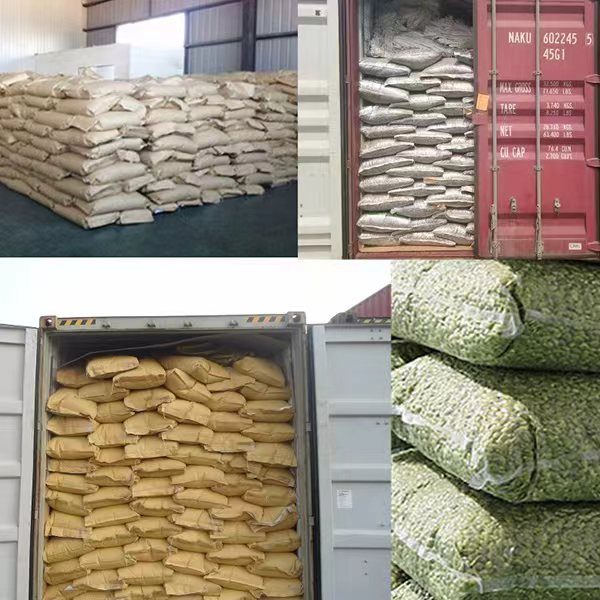
Next step: send your roasting specification — moisture, impurity, erosion seeds, mildew seeds, variety, size class, grade, packaging and target market — and request a matching sample or quotation for Snow White, Shine Skin or Lady Nail pumpkin seeds and green kernels.
Inner Mongolia Chengtai Food Co.,Ltd — www.ctsunfood.com
Contact: Cassie · Email: ctsunfood@163.com · WhatsApp / Tel: +86 18347278337
Company brochure (download): Company profile PDF
Have Questions or Need More Details?
Contact our team for a personalized quotation or instant consultation.
Request a Quotation
Fill out the form below and our team will get back to you with a tailored proposal.
WhatsApp Direct Chat
Prefer to chat in real-time? Message us on WhatsApp for instant assistance & quick answers.
- Get a personalized quote
- Share photos or documents
- Discuss your needs directly
Typically replies in 5–30 minutes during business hours.