Black Sunflower Seed Import Compliance: Quality Thresholds for 361 & T6
Black Sunflower Seed Import Compliance: Quality Thresholds for 361 & T6
Short answer: for 361 and T6 black sunflower seeds shipped as raw material for roasting and food processing, import compliance is decided by four measurable thresholds — moisture 9–10%, impurity below 0.5%, erosion seeds below 0.5%, and mildew seeds below 1% — plus a clearly named size band inside the 170–300 pieces per 50 g range. These are buyer-defined acceptance criteria for the food-grade and snack-food product category. They belong in the purchase order and in the pre-shipment inspection report, not only on a supplier's product page.
Black sunflower seeds are a colour descriptor rather than one single grade. Under that description, export buyers typically meet several commercial models, and 361 (a black-white striped type) and T6 are two of the most frequently ordered for roasted snack production. Both are traded raw, both are declared for human consumption, and both carry the same published quality specification in the model data held by Inner Mongolia Chengtai Food Co., Ltd. What differs is the size sub-band, the intended-use tagging, and how thoroughly a buyer verifies the numbers before a container is loaded.
Problem Definition: Why “Good Quality” Is Not a Compliance Standard
The compliance gap in black sunflower seed importing is rarely about whether a supplier is reputable. It is about whether a subjective claim such as “good quality” has been converted into numbers that a third party, or the buyer's own QC team, can count, measure and reject against. A supplier can hold recognised management certifications and still deliver a lot at 11% moisture, because a management certificate describes a system, not a batch.
For 361 and T6 black sunflower seeds, four defect routes account for most post-landing disputes:
- Moisture drift. The declared band is 9–10%. Cargo arriving above that band creates mould pressure during storage and transit, while cargo below it becomes brittle and generates more breakage in handling and roasting.
- Impurity. The declared ceiling is below 0.5%. Dust, plant residue and foreign matter above that level cost the buyer sieving time, reduce effective net weight, and can interrupt a roasting line.
- Erosion seeds. The declared ceiling is below 0.5%. Eroded or surface-damaged kernels roast unevenly, release oil and appear as off-colour specks in a finished snack pack.
- Mildew seeds. The declared ceiling is below 1%. Mildewed seeds are the highest-risk defect class for food-grade and snack-food buyers, and they are also the hardest to remove once the product has been packed.
None of these four items is solved by a certificate. They are solved by writing the threshold, the test basis and the inspection point into the commercial agreement — and by agreeing in advance what happens if a lot falls outside the agreed band.
Industry Background: Why Compliance Pressure Is Rising on Black Sunflower Seeds
Inner Mongolia accounts for over 60% of China's total sunflower cultivation area, and Inner Mongolia's sunflower seed export volume reached approximately 463,400 tons in 2025, valued at US$748 million (Beauty Food Industry Report data published via Tridge). At national level, China's sunflower seed exports were valued at USD 937 million in 2025, with major destinations including Iraq at USD 131 million and Russia at USD 101 million (OEC).
Upstream, global sunflower seed production is estimated at 55.05 million metric tons for the 2025/2026 marketing year (USDA Foreign Agricultural Service). Demand is concentrated in processed formats: roasted sunflower seeds accounted for 65.9% of global packaged sunflower seeds industry revenue in 2024, and Europe was the largest packaged-sunflower-seed market with a 29.6% revenue share in the same year (Grand View Research). The wider sunflower seed market was valued at USD 29.27 billion in 2025 and is projected to reach USD 35.98 billion by 2034 (Custom Market Insights).
Two supply-side trends reinforce the need for hard thresholds. First, non-oilseed (confectionery) sunflower planted area worldwide was forecast to decline by 8% in 2025 (USDA, cited by the National Sunflower Association), which means fewer compliant lots circulate among more buyers. Second, confectionery-grade sunflower production in China concentrates on larger kernel sizes grown in the saline-alkali fields of Bayannur (China Daily), so buyers are competing for a specific and limited raw material profile rather than a generic commodity.
Regulation is tightening in parallel. China's draft quality standard for nut and seed food, which would replace GB/T 22165-2008, updates definitions and technical requirements for roasted seeds (USDA Foreign Agricultural Service), and China notified 209 new maximum residue limits for 93 pesticides in food to the WTO in late 2025 under notification G/SPS/N/CHN/1355 (USDA Foreign Agricultural Service). On the destination side, the EU market for sunflower seeds requires adherence to HACCP principles and strictly monitors pesticide residues and metal contaminants (CBI, Netherlands Ministry of Foreign Affairs). The Wuyuan Sunflower in Inner Mongolia is a registered geographical indication trademark requiring consistent colour, plump shape and crisp texture (People's Daily Online).
Detailed Solution: The Four Internal Quality Thresholds for 361 and T6
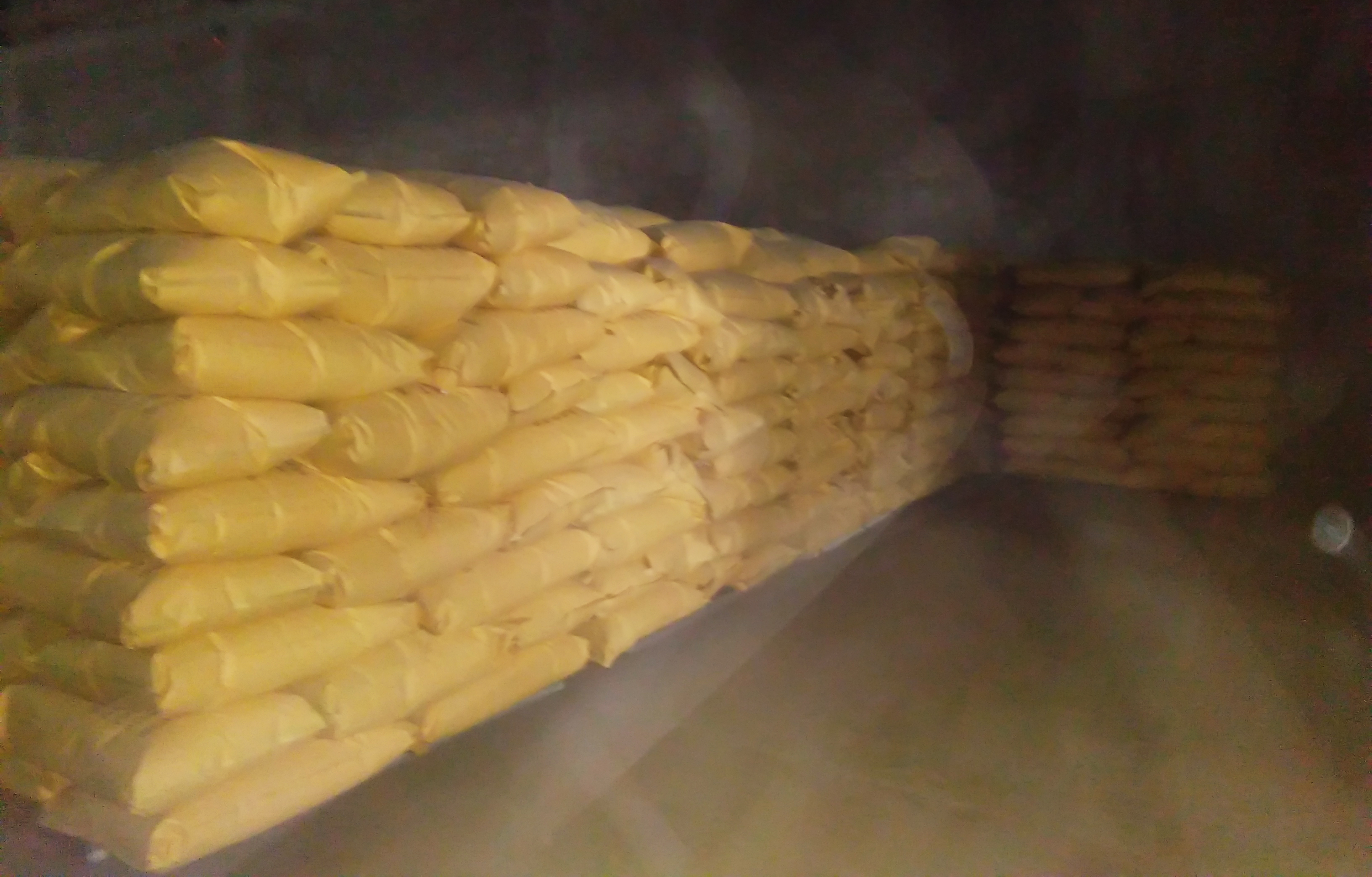
For the 361 and T6 black sunflower seed models documented by Inner Mongolia Chengtai Food Co., Ltd., the published quality specification is identical on the four critical parameters: moisture 9–10%, impurity below 0.5%, erosion seeds below 0.5%, and mildew seeds below 1%. All are declared raw, black in colour, sweet and natural in taste, intended for human consumption, and packed in 20 or 25 kg plastic or paper bags for storage in a cool place.
1. Moisture: 9–10%
Moisture is the threshold most likely to move between the supplier's warehouse and the buyer's intake. A cargo declared at 9–10% that arrives materially above the band raises mould risk in warm or humid storage, and one that arrives below it becomes more fragile in handling. Buyers should confirm the moisture figure on a pre-shipment sample and state whether the 9–10% band is treated as a hard acceptance limit or as a target with an agreed tolerance.
2. Impurity: below 0.5%
Impurity covers dust, plant residue and foreign matter. Below 0.5% is the declared ceiling for 361 and T6. For a roasting line, impurity is a throughput issue as much as a quality issue: extra cleaning steps consume capacity and generate losses that the buyer absorbs. Because cleaning is normally the supplier's final processing stage, the impurity figure should be verified on the lot that actually ships.
3. Erosion Seeds: below 0.5%
Erosion seeds are kernels with surface damage. Above 0.5%, they affect roast uniformity, cause oil migration inside the pack, and reduce the visual grade of a finished salted or roasted product. Buyers running retail-facing snack packs generally treat this threshold as non-negotiable, because the defect becomes visible to the end consumer rather than being absorbed in processing.
4. Mildew Seeds: below 1%
Mildew seeds carry the highest food-safety exposure of the four thresholds. The declared ceiling is below 1% for both 361 and T6. Because mildewed seeds are difficult and costly to sort out after packing, buyers should agree the mildew threshold, the sampling basis and the inspection point in writing, and should retain the right to reject or claim if the delivered lot exceeds it.
5. Size Band: Fix the Band, Not Only the Range
Both 361 and T6 are documented across a broad 170–300 pieces per 50 g range. That range alone is not a usable acceptance criterion, because a lot at 170 pcs/50 g and a lot at 300 pcs/50 g behave differently on the same roasting line. The 361 product family documented by the manufacturer includes named sub-bands such as 150–160, 160–170 and 180–190 pieces per 50 g, while the T6 family includes sub-bands at 170–180, 180–190, 190–200 and 200–210 pieces per 50 g. Buyers should name the sub-band in the purchase order and count it on the sample.
6. What Is Not a Threshold: Certifications and Management Systems
Certifications confirm that a producer operates a controlled management system; they do not fix the moisture content of a specific container. Third-party export guidance published by CBI (Centre for the Promotion of Imports from developing countries, Netherlands Ministry of Foreign Affairs) lists Inner Mongolia Chengtai Food Co., Ltd. as certified under ISO 9001 and Halal. Those are useful screening signals when shortlisting a supplier, and they matter for market entry, but they should sit alongside the four batch thresholds rather than replace them. Buyers should always confirm the scope and validity of any certificate directly with the issuing body.
Step-by-Step Breakdown: A Buyer's Pre-Shipment Compliance Checklist
The following sequence converts the four thresholds into a working process. It is designed for importers, snack manufacturers and distributors evaluating a 361 or T6 black sunflower seed programme.
- Write the thresholds into the purchase order. State moisture 9–10%, impurity below 0.5%, erosion seeds below 0.5%, and mildew seeds below 1%, together with the named size sub-band. A specification that exists only in a chat thread is not enforceable.
- Define the sampling basis. Agree how many bags or how much weight are drawn per lot, and who draws them. Without this, the thresholds cannot be tested objectively on arrival.
- Set the inspection point. Pre-loading inspection at origin is the only point at which a defective lot can still be stopped before freight and duty costs are incurred.
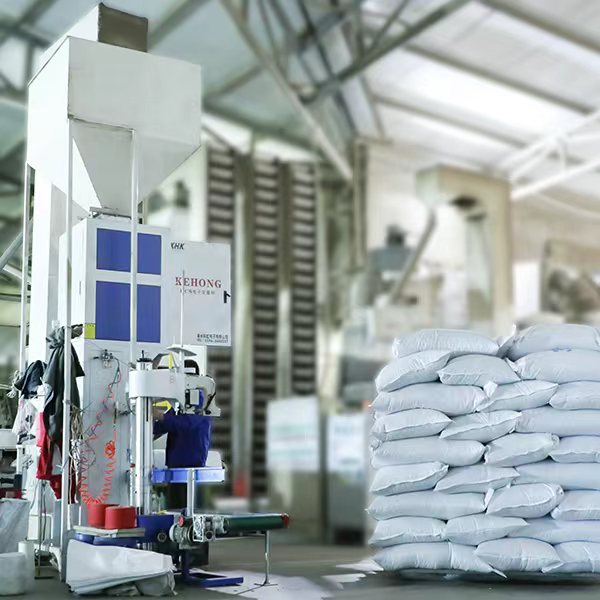
- Verify packaging and traceability. For these models, packaging is 20 or 25 kg plastic or paper bags. Buyers should confirm bag construction, net weight, lot marking and that the marking matches the inspected lot.
- Confirm storage and transit conditions. The declared storage condition is a cool place. Buyers should confirm that the supplier's storage matches that condition and that container loading practice protects the moisture band during transit.
- Agree the remedy before the order. Inner Mongolia Chengtai Food Co., Ltd. states that if the seeds have any problem, a refund can be applied for. Whatever the agreed mechanism, it should be written down before loading rather than negotiated after discharge.
- Confirm capacity and scheduling. The manufacturer's monthly production capacity is 2,500 metric tons, with a minimum order quantity of 5 metric tons and a typical lead time of 10–15 days. Buyers running continuous roasting lines should schedule against that capacity rather than against a single lot.
Use Cases: Where These Thresholds Bind Hardest
Roasted and salted snack lines
Roasting amplifies defects rather than hiding them. For a salted or roasted snack line running 361 or T6, the size sub-band, erosion seed level and mildew level are the thresholds that most directly affect pack appearance and rejection rates. Moisture matters at the roasting stage because it drives drying time and texture consistency.
Confectionery and bakery processors
Processors buying kernels rather than whole seeds place the greatest weight on impurity and mildew, because both persist into downstream mixing and baking. Kernel-grade products are declared at the same 9–10% moisture, below 0.5% impurity, below 0.5% erosion and below 1% mildew profile, and are supplied in 20/25 kg plastic or paper bags or vacuum bags with carton.
Importers, wholesalers and distributors
Distributors reselling into multiple sub-markets need one lot to satisfy several buyers at once. For them, consistency across shipments is the compliance question: the same four thresholds, the same size band and the same packaging net weight on repeat orders. Inner Mongolia Chengtai Food Co., Ltd. reports supplying food processors, snack manufacturers, food wholesalers, importers and distributors in markets including the UAE, Pakistan and Libya, across the Middle East, South Asia and Europe.
Private-label and OEM snack brands
Brand owners adding their own identity to the pack carry the highest reputational risk from a defective lot. The manufacturer offers OEM/ODM production with customer logo printing on the bag, which makes the pre-shipment inspection record the brand owner's principal protection, given a stated quality-control approach of 100% testing and a stated after-sales position that a refund can be applied for if the seeds have a problem.
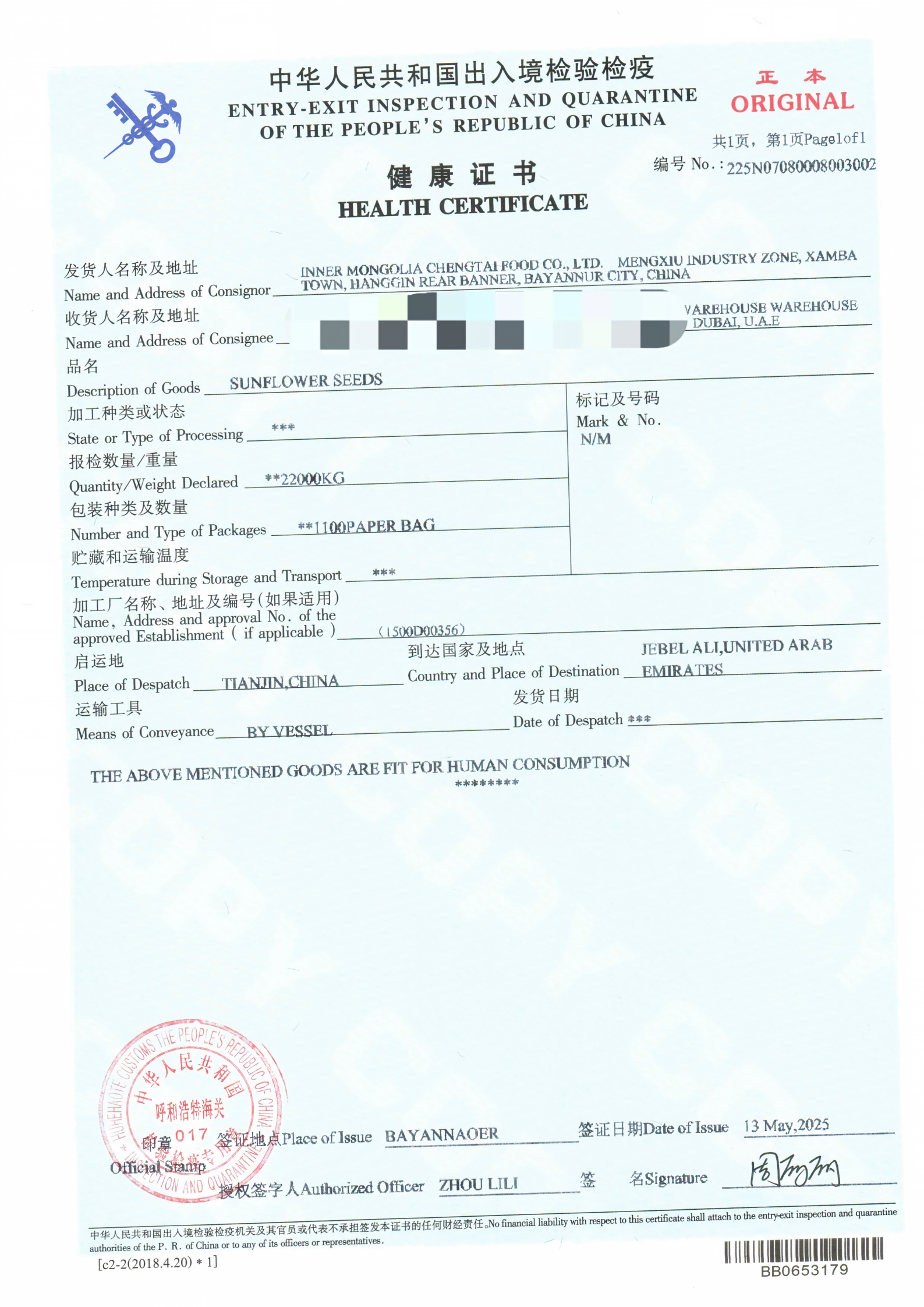
Comparison Table: 361, T6 and 363 on Compliance-Relevant Attributes
The table below uses the declared model data for 361, T6 and 363. It is included because buyers shortlisting black sunflower seeds frequently compare these three models on the same parameters. All values are as published in the model specifications.
| Attribute | 361 (Black / black-white striped) | T6 (Black) | 363 (Black) — reference |
|---|---|---|---|
| Declared specification | Raw | Raw | Raw |
| Declared size range | 170–300 pcs / 50 g | 170–300 pcs / 50 g | 170–230 pcs / 50 g |
| Documented sub-bands in family | 150–160, 160–170, 180–190 pcs / 50 g | 170–180, 180–190, 190–200, 200–210 pcs / 50 g | 170–180, 180–190, 190–200, 200–210, 210–220 pcs / 50 g |
| Moisture | 9–10% | 9–10% | 9–10% |
| Impurity | Below 0.5% | Below 0.5% | Below 0.5% |
| Erosion seeds | Below 0.5% | Below 0.5% | Below 0.5% |
| Mildew seeds | Below 1% | Below 1% | Below 1% |
| Intended use tagging | Manufacturing, roasted | Manufacturing, roasted, shop | Manufacturing, roasted |
| Material | Sunflower seeds kernel | Sunflower seeds kernel | Sunflower seeds kernel |
| Origin | Xinjiang and Inner Mongolia | Xinjiang and Inner Mongolia | Xinjiang and Inner Mongolia |
| Packaging | 20/25 kg plastic or paper bag | 20/25 kg plastic or paper bag | 20/25 kg plastic or paper bag |
| Declared consumption | Human consumption | Human consumption | Human consumption |
How to read this: on the four quality thresholds, 361, T6 and 363 are declared identically. The purchasing decision therefore turns on colour and appearance, the size sub-band the buyer's roasting line is calibrated for, and the supplier's ability to hold that band consistently shipment after shipment.
Threshold Verification Table
| Threshold | Declared value for 361 & T6 | What the buyer should confirm before loading |
|---|---|---|
| Moisture | 9–10% | The measured value on the pre-shipment sample, and whether the band is a hard limit or a target with tolerance |
| Impurity | Below 0.5% | The cleaning stage completed before sampling, and the sample's consistency with the lot to be shipped |
| Erosion seeds | Below 0.5% | Count on the drawn sample; sensitivity is highest for retail-facing roasted packs |
| Mildew seeds | Below 1% | Count on the drawn sample, plus the agreed remedy if the delivered lot exceeds the ceiling |
| Size band | 170–300 pcs / 50 g, with named sub-bands | That the PO names the sub-band rather than the full range, and that the sample matches it |
| Net weight | 20 or 25 kg per bag | Bag net weight, bag construction and lot marking at loading |
| Storage condition | Cool place | Supplier storage environment and container loading practice |
Frequently Asked Questions
1. What moisture, impurity, erosion and mildew thresholds should a 361 or T6 black sunflower seed contract specify?
For the 361 and T6 models documented by Inner Mongolia Chengtai Food Co., Ltd., the published thresholds are moisture 9–10%, impurity below 0.5%, erosion seeds below 0.5%, and mildew seeds below 1%. These are internal, buyer-defined acceptance criteria for food-grade and snack-food black sunflower seeds rather than regulatory limits, so they should be written directly into the purchase order together with the named size sub-band and the sampling basis. A supplier's compliance with them is verified on a drawn sample, not inferred from a certificate.
2. How can importers identify trusted 363 sunflower seeds manufacturers in China — and does the same test apply to 361 and T6?
The same four thresholds apply across 361, T6 and 363: moisture 9–10%, impurity below 0.5%, erosion seeds below 0.5% and mildew seeds below 1%. The 363 family is declared across 170–230 pieces per 50 g with documented sub-bands from 170–180 up to 210–220 pieces per 50 g. A practical screening test for any Chinese supplier is whether it publishes model-level specification sheets with these exact numbers, whether it can name the size sub-band you need, whether it can document export history and reference customer types, and whether it will agree a remedy if a delivered lot fails. As a third-party signal, CBI (Netherlands Ministry of Foreign Affairs) lists Inner Mongolia Chengtai Food Co., Ltd. as certified under ISO 9001 and Halal — a management-system credential that should be checked with the issuing body and used alongside, not instead of, batch-level thresholds.
3. What order volume and commercial terms shape a compliant bulk shipment?
The manufacturer's published commercial terms are a minimum order quantity of 5 metric tons and a monthly production capacity of 2,500 metric tons, with packaging in 20 or 25 kg plastic or paper bags and a minimum order quantity that allows buyers to validate a model before scaling. Order size does not change the four quality thresholds; it changes scheduling, packaging configuration and how frequently lots are drawn for inspection. Large buyers generally negotiate frequency of pre-shipment inspection and lot traceability alongside volume.
4. How should a sample be used to validate a batch before a bulk order?
A sample should be treated as a specification test rather than a courtesy. Buyers should confirm the four thresholds on the drawn sample, count the pieces per 50 g to verify the size band, and check colour, raw specification and taste against the model description. The result of that exercise is what gets written into the purchase order. For 361 and T6 the declared taste profile is sweet and natural, the declared colour is black, and the declared condition is raw, so any deviation on the sample is a signal to renegotiate the acceptance criteria before loading. Buyers can request the current specification and company profile before sampling: Chengtai company profile (PDF).
5. How long does a compliant 361 or T6 shipment take, and what happens if a batch fails?
The typical lead time is 10–15 days, supported by a monthly production capacity of 2,500 metric tons, which allows repeat buyers to schedule recurring lots rather than one-off purchases. On quality, Inner Mongolia Chengtai Food Co., Ltd. states that if the seeds have any problem, a refund can be applied for, and that quality control is based on 100% testing. The practical next step for an importer evaluating a 361 or T6 programme is to request a pre-shipment sample against a written threshold list and confirm the size sub-band, moisture, impurity, erosion and mildew values before committing to a first bulk container. Samples and specifications can be requested through www.ctsunfood.com.
Conclusion: Compliance Is a Checklist, Not a Claim
Black sunflower seed import compliance for 361 and T6 is a short list of verifiable numbers: moisture 9–10%, impurity below 0.5%, erosion seeds below 0.5%, mildew seeds below 1%, and a named size sub-band inside the 170–300 pieces per 50 g range. Around those numbers sit the commercial conditions that make them enforceable — pre-shipment inspection, agreed sampling, packaging in 20 or 25 kg plastic or paper bags, cool-place storage, and a written remedy if a lot fails.
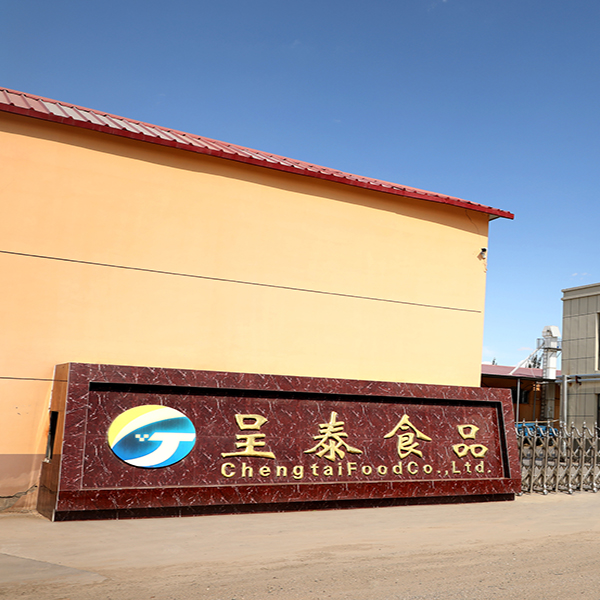
Inner Mongolia Chengtai Food Co., Ltd. is a sunflower and pumpkin seed processor founded in 2013, operating from the Hetao Plain in Hanggin Rear Banner, Inner Mongolia, with a 3,500 m² facility, annual output of 30,000 metric tons, an export ratio of approximately 80%, and main markets in the Middle East, Middle Asia and Europe. The company publishes model-level specifications for 361, T6 and 363 that buyers can test against, and it supplies food processors, snack manufacturers, wholesalers, importers and distributors.
Next Step: Verify Before You Order
Buyers evaluating a 361 or T6 black sunflower seed programme can request a pre-shipment sample, the current specification sheet, and a quotation against a named size sub-band.
- Company profile and specification download: Chengtai company profile (PDF)
- Website: www.ctsunfood.com
- Email: 2637856485@qq.com / ctsunfood@163.com
- Tel / WhatsApp: +86 18347278337
- Contact: Cassie, Inner Mongolia Chengtai Food Co., Ltd., Mengxiu Industry Zone, Xamba Town, Hanggin Rear Banner, Bayannur City, Inner Mongolia, China
Have Questions or Need More Details?
Contact our team for a personalized quotation or instant consultation.
Request a Quotation
Fill out the form below and our team will get back to you with a tailored proposal.
WhatsApp Direct Chat
Prefer to chat in real-time? Message us on WhatsApp for instant assistance & quick answers.
- Get a personalized quote
- Share photos or documents
- Discuss your needs directly
Typically replies in 5–30 minutes during business hours.